Traditional Tea House in Kyoto

My first visit to a traditional Japanese tea house in Kyoto offered a quiet introduction to the harmony between architecture and nature that is so deeply rooted in Japanese culture. Nestled within a tranquil temple garden, Shōsuitei Tea House provided an intimate glimpse into the centuries old tradition of the Japanese tea ceremony and into the architecture.

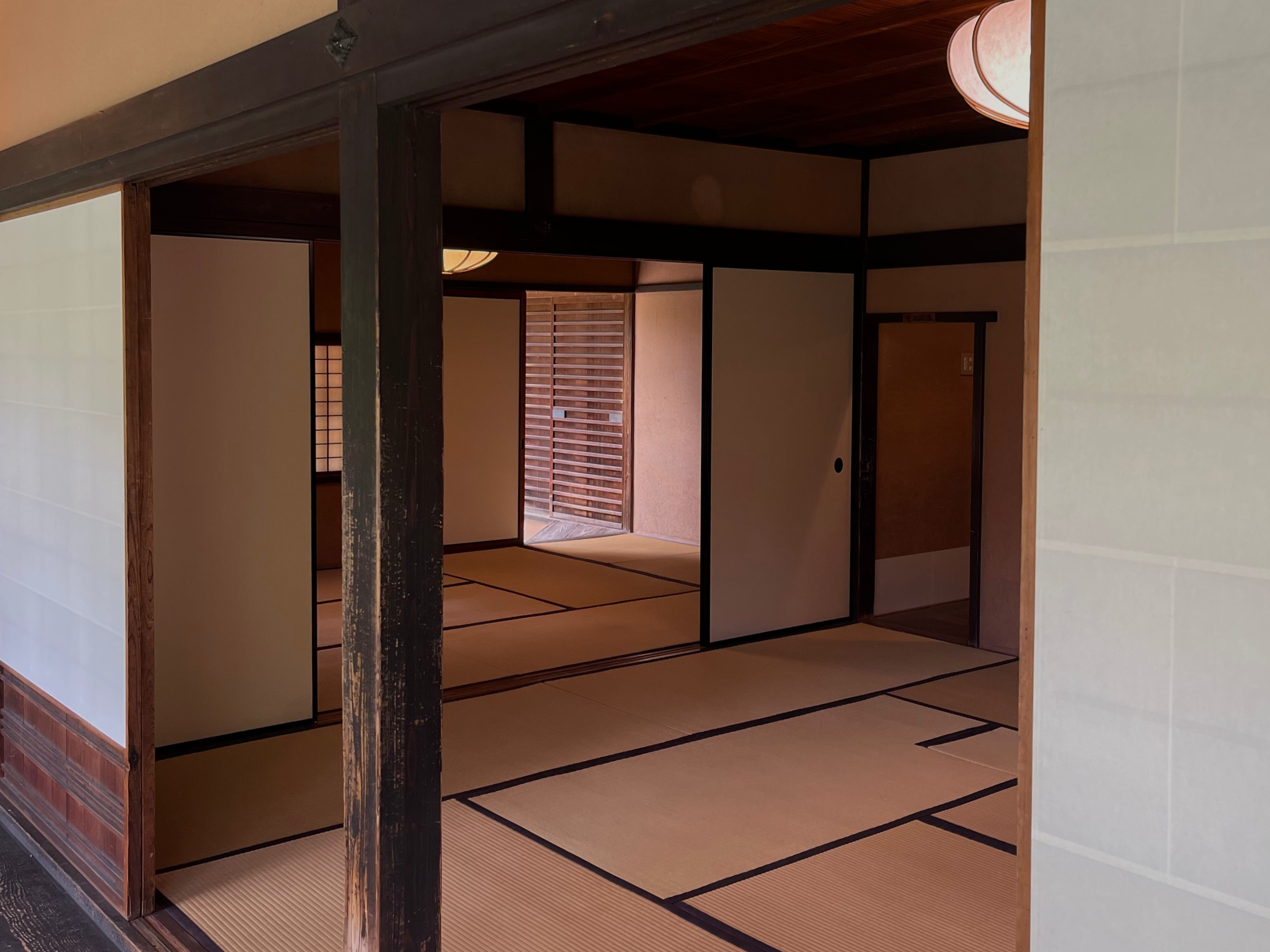
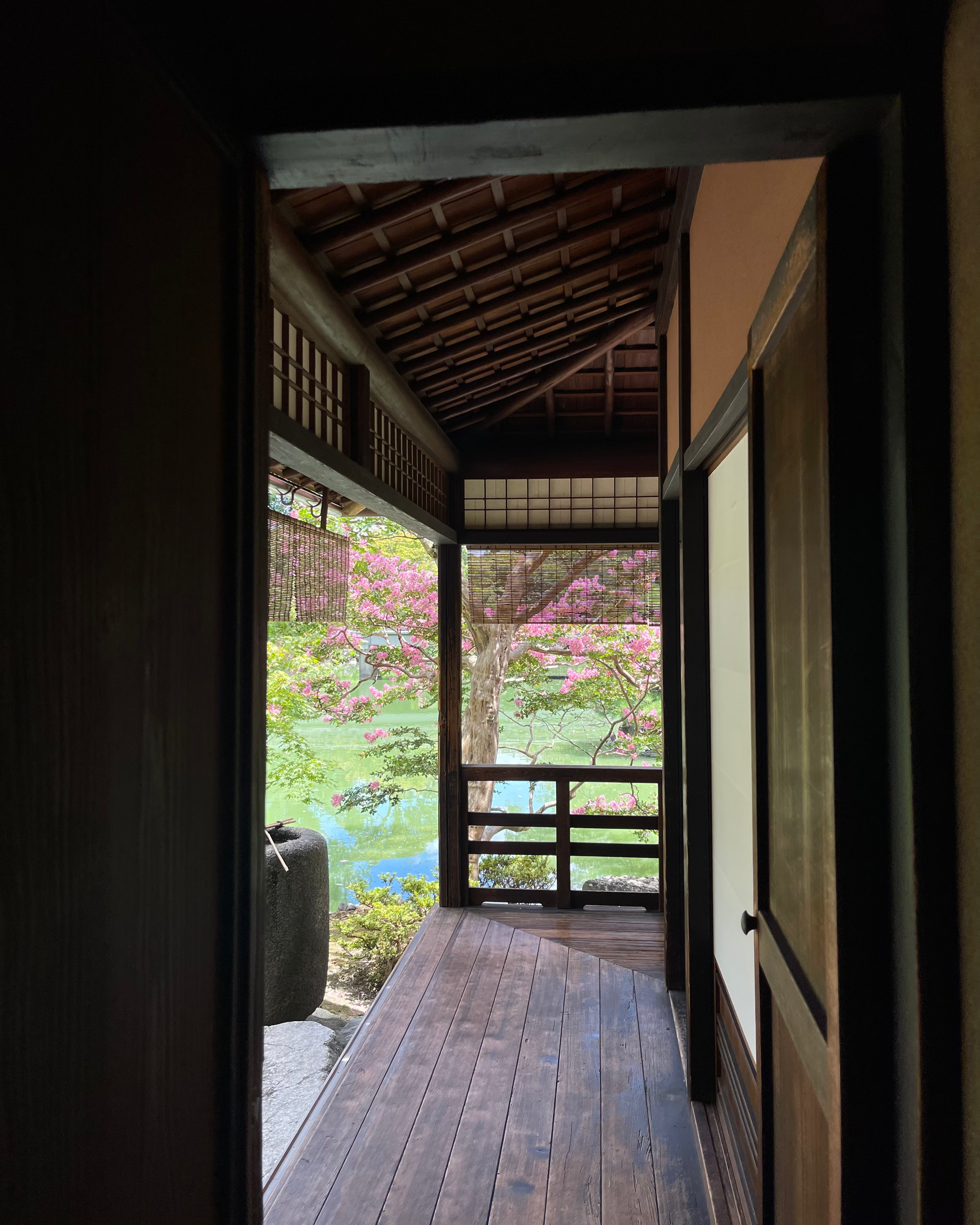
Stepping inside, the transition from the bright garden to the soft, muted interior was marked by a low doorway, a subtle yet intentional gesture symbolising humility. Inside, simplicity and balance shaped every detail. All the natural materials, restrained tones and carefully considered proportions created a space where nothing felt excessive and every corner had something surprising yet familiar to offer.

Tatami mats and shoji screens defined the interior with quiet elegance, while the minimal design allowed the textures of each material to take centre stage. Light filtered gently through the paper screens, creating an ever-changing interplay between shadow and brightness.

The simplicity of the architecture is deceptive. Every proportion, material and gesture is intentional. The chashitsu, as a traditional tea room is known, is not designed to impress, but to quiet the mind. Its beauty lies in restraint, balance and an intimate connection with nature. This whole building framed the garden perfectly.

What stayed with me most was how physical the experience felt. Feeling the texture of the materials beneath my bare feet, moving through the space in silence and hearing each gentle step made the experience feel almost timeless.

More than beautiful architecture, the tea house offered a glimpse into a different way of understanding space: one where design is not simply about how a place looks, but about how it makes you feel, move and experience time.

Perhaps that is what makes travelling through design so fascinating. The most meaningful spaces don’t simply show us another culture, they allow us to experience it.